Warsaw, Poland
Setting up for success
Two buildings. Two modernization challenges. One never stopped operating. The other stood firm against demolition. Both buildings now set new standards for efficiency, accessibility, and sustainability.
Making a comeback
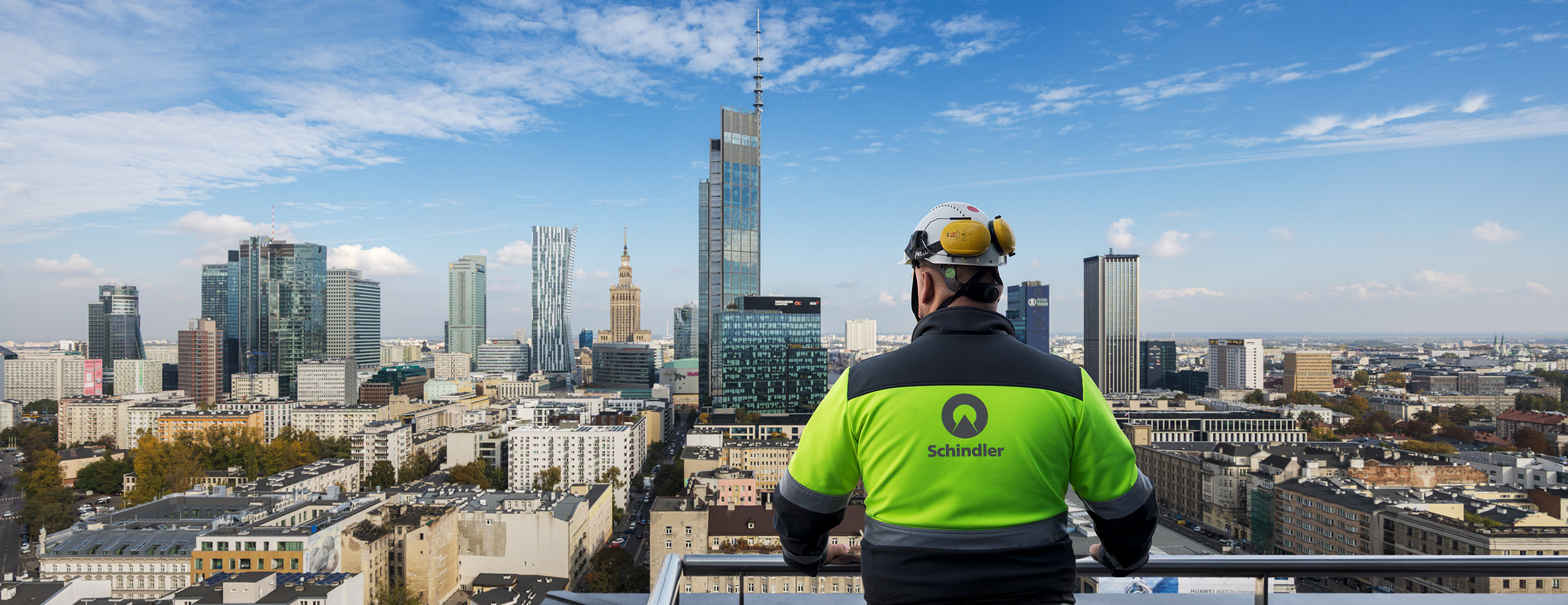
In Warsaw, apartment buildings stand alongside gleaming glass-and-steel towers, each taller than the last. V Tower sits right in the middle of it all.
Standing on the top floor of the V Tower, pausing between checks on the newly installed elevators, Bartłomiej Wiórkiewicz, senior technical specialist, gestures toward a cluster of skyscrapers piercing Warsaw’s skyline. “They’ve really shot up over the past ten years,” he says with a proud smile. “The city looked nothing like this a decade ago.”
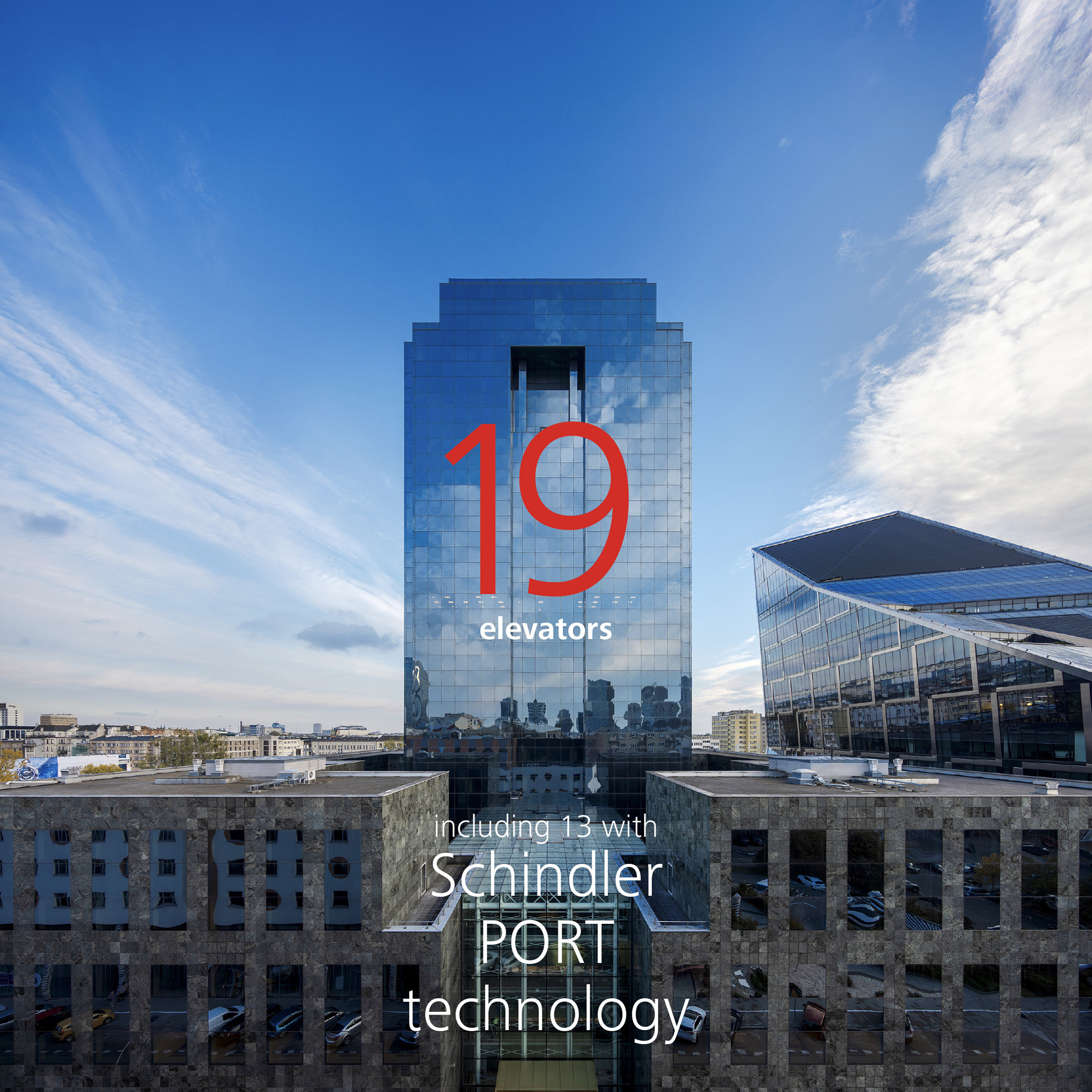
When it first rose in 2000, V Tower’s 22 stories briefly put it among Warsaw’s tallest buildings. Today, it cuts a more modest figure, with its understated glass façade and four brutalist podiums anchoring its base.
Look within, and that’s where the V Tower truly shines – a textbook example of how thoughtful modernization can breathe new life into a building without changing its character.
Originally known as the Warta Tower, the building served for two decades as the headquarters of Poland’s largest insurer – the company that gave it its name.
By 2020, the real estate market had shifted. Across Warsaw’s central business district, new developments with attractive tenant offerings and strong environmental credentials were raising the bar. Building owners faced a choice: fall behind, modernize, or cut their losses and sell.
Cornerstone Investment Management saw an opportunity in the V Tower – and in commercial office space as a whole. They acquired the tower with a clear vision. Demolition was out of the question. Instead, the building would be transformed into prime, highly sustainable, downtown office space while retaining its historical character.
The modernization went far beyond cosmetic updates. All major building systems were overhauled – from HVAC and electrical to IT and building management – with sustainability in mind. Meanwhile, the building’s distinctive dark blue façade, a defining feature of the original Warta Tower, was carefully preserved and upgraded with improved insulation to meet modern energy efficiency standards.
The goals were ambitious: BREEAM and LEED certifications, alongside the European certification Building without Barriers, which recognizes buildings that meet rigorous accessibility standards. Touch-free building access that prioritized safety, security, and hygiene was implemented, and top-of-the-line interiors – complete with plush furnishings and sleek finishings – were put in place.
With historical preservation in mind, the building’s iconic elements – its unique architecture, lush patios and cascading courtyards – were preserved and enhanced.
Within this broader refurbishment, the building’s elevators proved central to the building’s transformation into a champion of sustainability. Its elevator systems were over 20 years old and were extremely energy-intensive.
Paweł Zawieja, head of New Installations project management, understood from the start what was at stake. “In our early conversations with the customer, we were able to give them a precise idea of the emission savings they could achieve by switching to our elevators,” he explains. “We also conducted traffic simulations to clearly show how Schindler PORT can improve traffic flow and limit congestion without adding additional reducing waiting times and achieving considerable energy savings.”
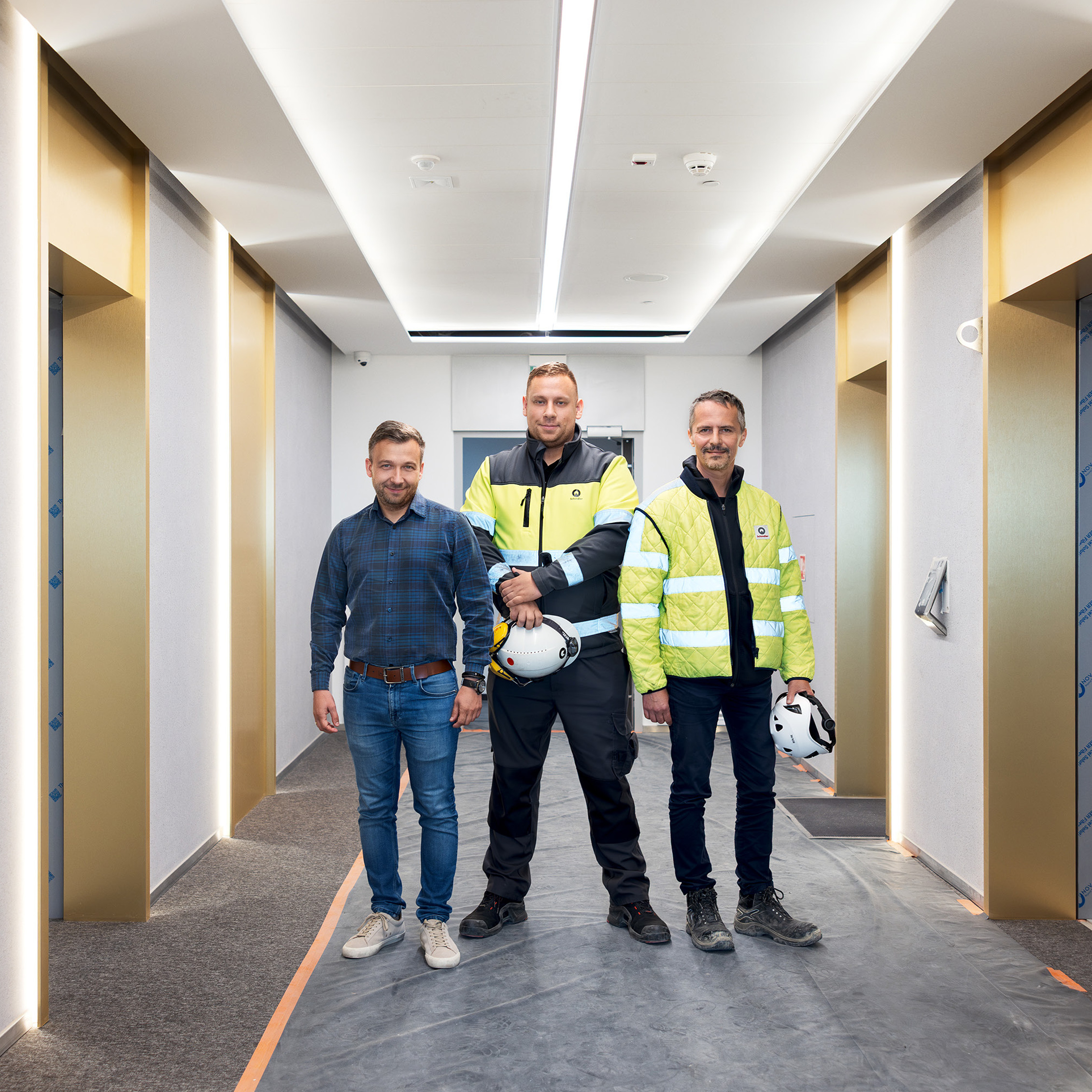
The project involved the replacement of 19 elevators in total: 13 Schindler 3000 in the main tower, all managed by Schindler PORT; five Schindler 5000 serving the four podiums; and a single Schindler 6000 reserved for firefighting operations.
The results were significant. By replacing the existing elevators with Schindler equipment, the elevator systems alone reduced energy consumption by 50% – showcasing the remarkable gains achievable through modern, smarter technology like Schindler PORT.
With all these changes in place, the building is now expected to save more than 2 000 tons of CO2 per year – a reduction of over 40% compared to pre-modernization levels. That’s on top of the 30 000 tons of carbon, equating to an 85% reduction in embodied carbon, saved by refurbishing the tower instead of demolishing it.
The energy and carbon savings achieved are just one part of the story. The modernized elevators are also enhancing the building’s aesthetics and supporting its high-tech look and feel. “We worked closely with the property management team and architects to ensure the modernization respects the building’s original character,” says Bartłomiej Wiórkiewicz. The main tower’s elevators are equipped with in-cabin digital screens, and every detail – from material selection to design finishes – was chosen to ensure the new components blend seamlessly with the updated interiors and lobby spaces.
The modernization of the elevators was carried out on quite a tight timeline – and while expertly overcoming complications as they arose. For one, some shaft measurements differed significantly from the blueprints, requiring the team to make adjustments on-site. Each installation was at a different stage of completion and sophistication, ruling out any one-size-fits-all modernization approach.
To make things even more complex, the building remained partly occupied throughout, so elevators had to be modernized in stages to keep some in operation.
“Through careful planning and flexibility, we managed to address each challenge successfully,” Piotr Zieliński, head of New Installations key projects, comments. “In projects of this scale, precise planning is important, but often not realistic – adaptability and problem-solving skills make the difference.”
That ability comes with experience – built over years of managing complex modernizations. As Bartłomiej Wiórkiewicz explains: “Strong teamwork is key to avoiding major disruptions before they turn into critical issues,” adding that regular meetings and clear communication channels with building management ensured alignment on progress, priorities, and any adaptations needed on-site.
Paweł Tański, regional sales manager, agrees: “Together we were able to solve any problem that came our way and provide the customer with a solution and personalized service. I think that’s critically important.”
And that didn’t go unnoticed by the customer. “From the very beginning, the Schindler team showed genuine engagement with the building and a deep understanding of the modernization’s scale and complexity,” says Karol Klin from Cornerstone Investment Management. They lived up to the company’s reputation. As Karol adds, “In Poland, Schindler stands for quality.”
It may not dominate the skyline, but the V Tower stands proudly alongside its taller neighbors. Its renewal shows that true progress isn’t about reaching higher – it’s about modernizing smarter.
From a “castle” to a community
The 82-meter, 22-floor V Tower, formerly known as Warta Tower, was originally built for a billionaire in the 1990s. In those days, parts of the building were only accessible to the owner, and the locals nicknamed it the “castle.” It’s recently been given a new lease on life, shedding its former “castle” nickname to become an office building and community hub in the heart of Warsaw’s central business district.
Karol Klin, commercial director at Cornerstone Investment Management, the building owners, explains why sustainability, digital solutions, and community spirit are key.
Karol, why did Cornerstone decide to invest in the V Tower?
The V Tower is the biggest investment in office block refurbishment in Poland – it’s 33 000 square meters of office space. We saw an opportunity in commercial real estate.
Now, there’s increased demand for centrally located, high-quality office spaces in Warsaw – and with limited new investment and restricted plots for building, there’s a significant supply gap. I believe that refurbishment is the way forward. Our early investment in projects like the V Tower means we’re ready to fill this gap.
How would you describe the ethos of the building?
It’s all about community. While we were determined to preserve one of the city’s key landmarks, we did want to update it, shake off its “castle” nickname, and create a community space. In 2022, we housed Ukrainian refugees for a year, in collaboration with the UNHCR. Today, we have coworking spaces and a collaborative community environment in which we plan to host local events.
Why did you refurbish instead of demolishing and rebuilding?
By refurbishing, we were able to preserve the building’s layered history, retain the high-quality materials used in its construction in 2000, and reduce environmental impact – while creating a space that meets the needs of modern tenants and residents. We saved 30 000 tons of carbon.
How important is limiting environmental impact to you?
Extremely. It was critical for us to create an energy-efficient building – particularly during this era of climate crisis. That was one of the reasons for modernizing the existing elevators. By upgrading 20-year-old elevators to brand-new Schindler equipment with Schindler PORT, we achieved an instant 50% decrease in energy consumption.
Why did you choose to partner with Schindler on the elevators?
In Poland, Schindler stands for quality. And I’m pleased to say this was evident from the very beginning of our collaboration. The team demonstrated engagement with the building and its story, and appreciated both the scale of the planned refurbishment and the challenge of modernizing 19 elevators in various stages of completion and sophistication.
The solutions offered by Schindler were also key to our decision. Touch-free access was a priority for us – for safety, security, and hygiene reasons. Regular users now have a mobile app to call an elevator, while guests use temporary QR codes to access specific floors during required time periods.
We’re working toward BREEAM and LEED certifications – which we expect to receive imminently – as well as the European certification, Building without Barriers, which recognizes buildings that meet rigorous accessibility standards. We knew that Schindler elevators would support these efforts.
Schindler’s mobility solutions are also a big selling point for us when it comes to leasing the building.
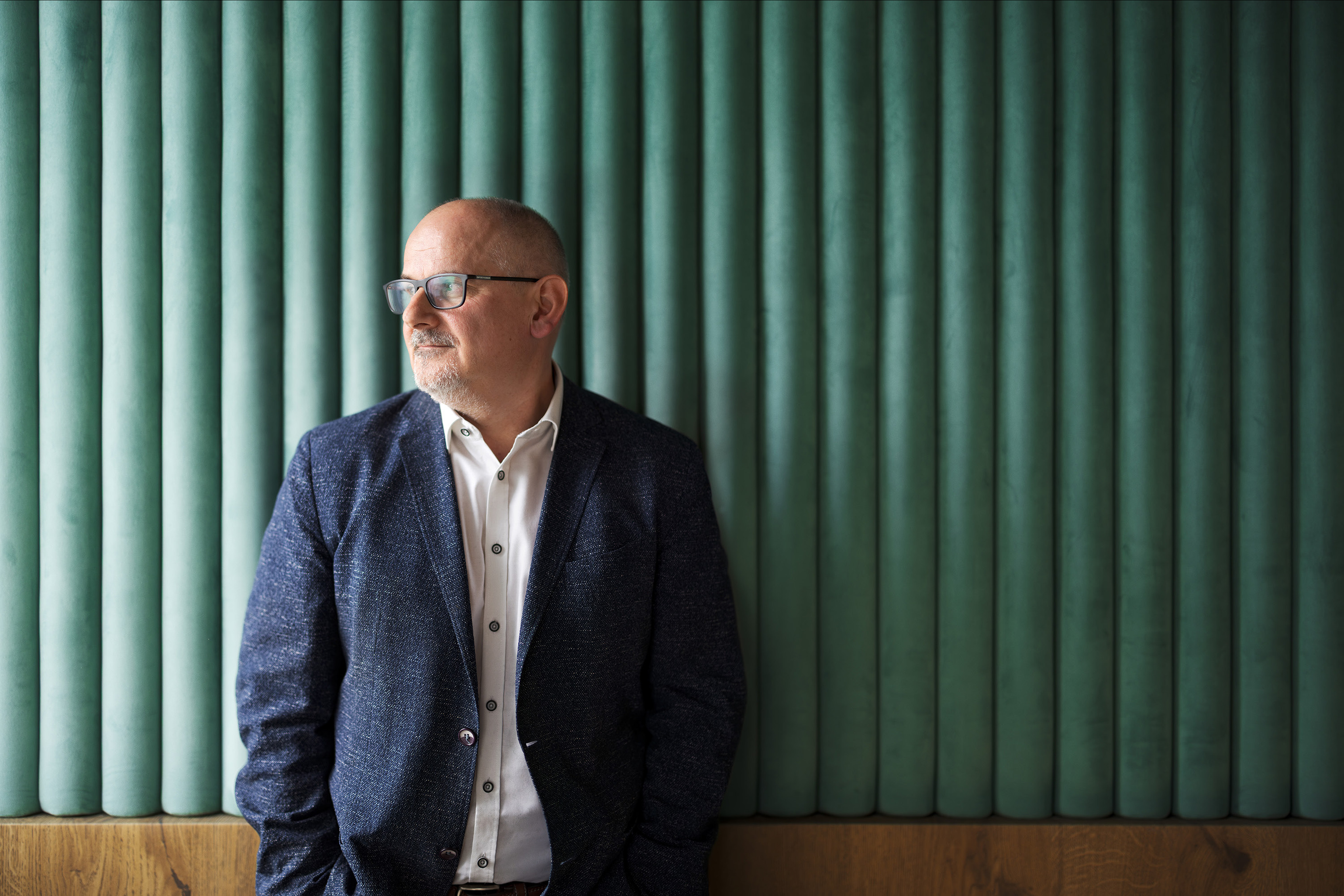
“Schindler’s mobility solutions are also a big selling point for us when it comes to leasing the building.”
Karol Klin Commercial Director at Cornerstone Investment Management
“Our products and services make a real difference in people’s daily lives.”
We sat down with Marcin Łoskot, head of Schindler Poland. When he’s not touring the Polish countryside on his motorbike or catching a hard rock show, he’s overseeing Schindler’s operations in one of the fastest-growing econo-mies in Europe.
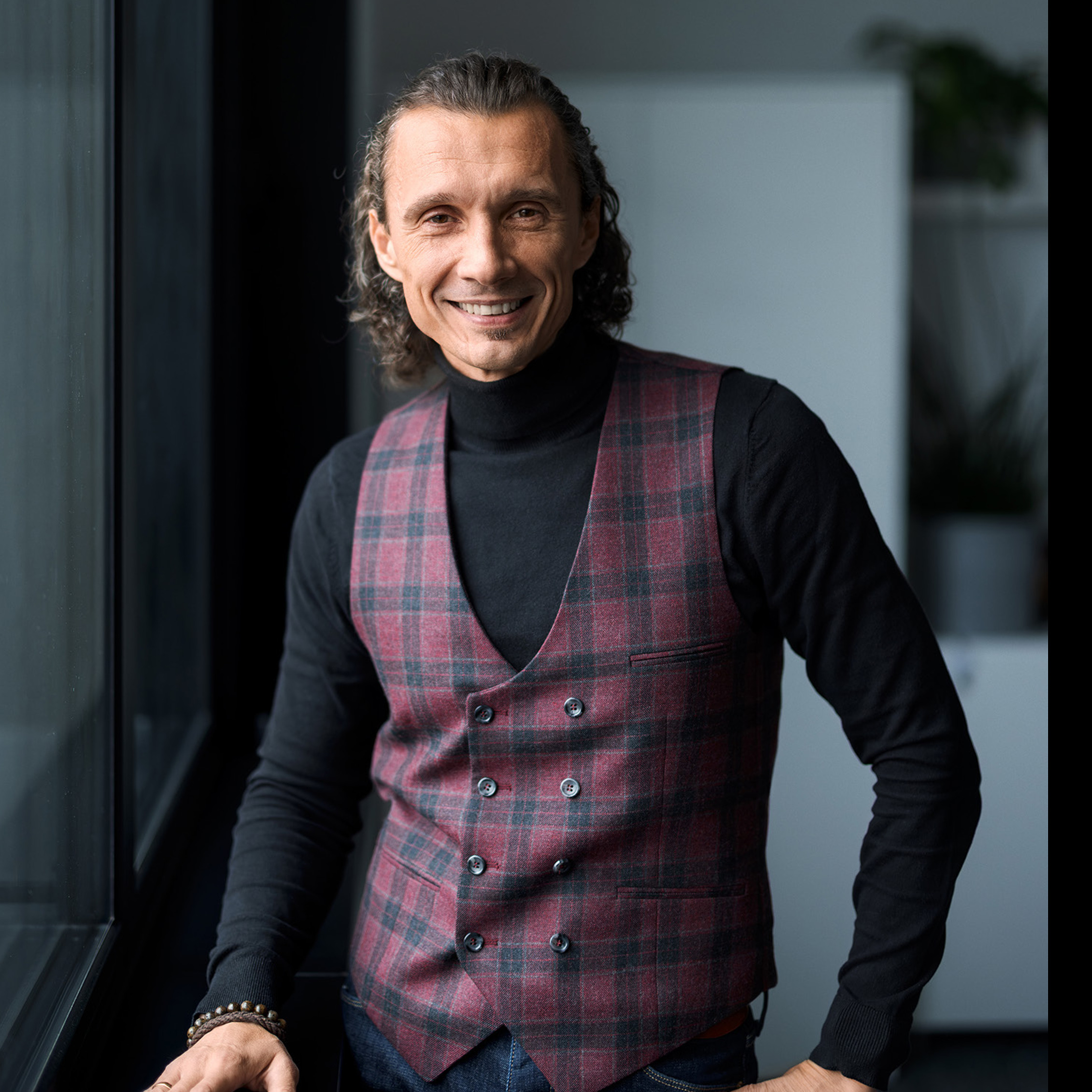
Marcin, how would you describe the Polish elevator market?
The new installations market is relatively mature, with growth following overall construction activity. However, modernization is becoming the major growth engine and that’s where we’re seeing the strongest opportunity.
What makes modernization such a strategic focus for Schindler in Poland?
Many units in Poland are more than 20 years old and urgently need upgrades. Modernization represents a structural, long-term opportunity.
Modernization sits at the intersection of three key priorities: safety, sustainability, and digitalization. Many elevators in Poland no longer meet evolving safety or technical standards – or customer expectations.
Modernizing these systems allows building owners to extend the life of their assets, improve energy efficiency, and integrate the latest digital features, such as remote and predictive maintenance, thereby making buildings more attractive in a competitive market.
What are Schindler’s strengths?
Our strength lies in combining Swiss engineering excellence with deep local expertise. Our technicians and project managers are seen as trusted advisors, not just service providers.
Our modernization offering is modular and customer-centric, allowing us to tailor solutions to unique building conditions, budgets, and timelines. That flexibility is especially critical in modernization projects, which take place in occupied, “living” buildings.
We also take a full life cycle approach – not just installing elevators but partnering with building owners and managers throughout the entire product lifetime.
Our reputation for innovation – particularly in digital solutions – continues to go from strength to strength. Projects like the Varso Tower in Warsaw showcase our technical leadership and ability to manage complex, large-scale projects. We supplied 57 elevators, including 12 double-deckers with Schindler PORT, and eight escalators, using Schindler R.I.S.E and the Schindler CLIMB Lift during installation.
And finally, I believe our service culture truly sets us apart. Responsiveness, transparency, and safety are embedded in how we work – and customers consistently highlight those qualities in their feedback.
What are the biggest challenges to making modernization more mainstream?
The two biggest hurdles are awareness and financing. Many building owners still underestimate the safety and energy risks of operating outdated equipment. At the same time, modernization requires upfront investment – which can be difficult for housing cooperatives or owners of smaller properties.
Government initiatives like Accessibility+, which funds building adaptations for people with disabilities, are a good start – but they’re not nearly enough to address the required investments.
How are sustainability and ESG expectations shaping customer decisions?
ESG considerations are now central to most building owners’ strategies. It’s becoming a decisive factor in project selection, whether for new installations or modernization. Customers want solutions that lower energy consumption, reduce carbon footprint, and align with standards like BREEAM or LEED. For many, choosing Schindler means choosing a partner with strong global ESG commitments.
On a personal note, what motivates you in leading Schindler Poland?
What drives me most is the fact that with our products and services we can make people’s lives more comfortable every single day.
Elevators might seem like background infrastructure, but they shape accessibility, safety, and urban experience.
We’ve delivered several modernization projects in residential buildings that have truly improved everyday life for residents – through smoother rides, more reliable performance, and greater accessibility for elderly people and families with children. These projects might not make headlines, but they make a real difference in people’s daily lives – and that’s something we take great pride in.
Knowing that we’re making cities more livable is incredibly rewarding. And I’m confident that with our people, our technology, and our vision, we’re well positioned to continue shaping that transformation in the years ahead.
Care uninterrupted
Over the past 60 years, the Children’s Memorial Health Institute in Warsaw has expanded significantly. To safeguard future operations, the hospital needed to upgrade its elevators – no easy task in a place that never stops.
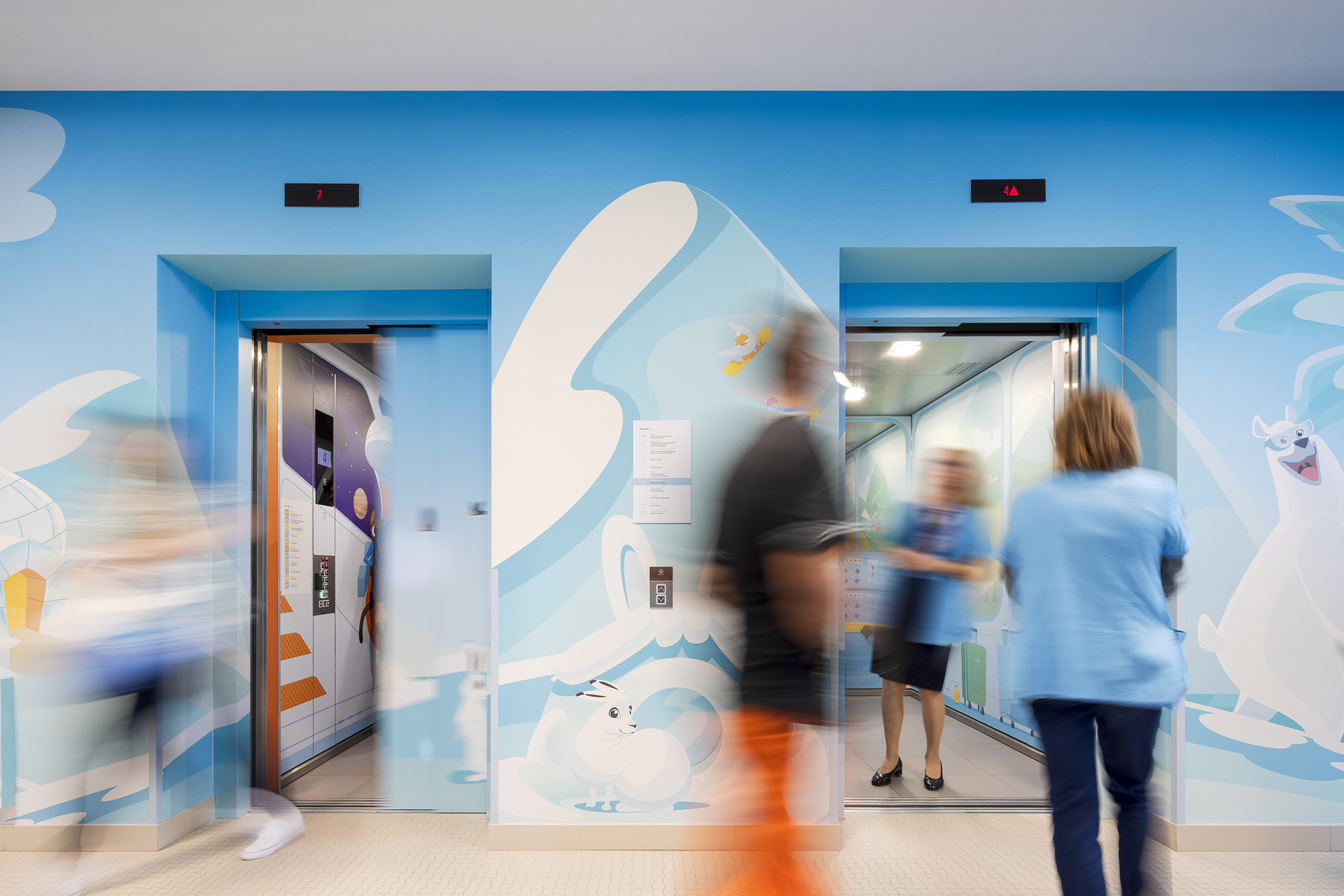
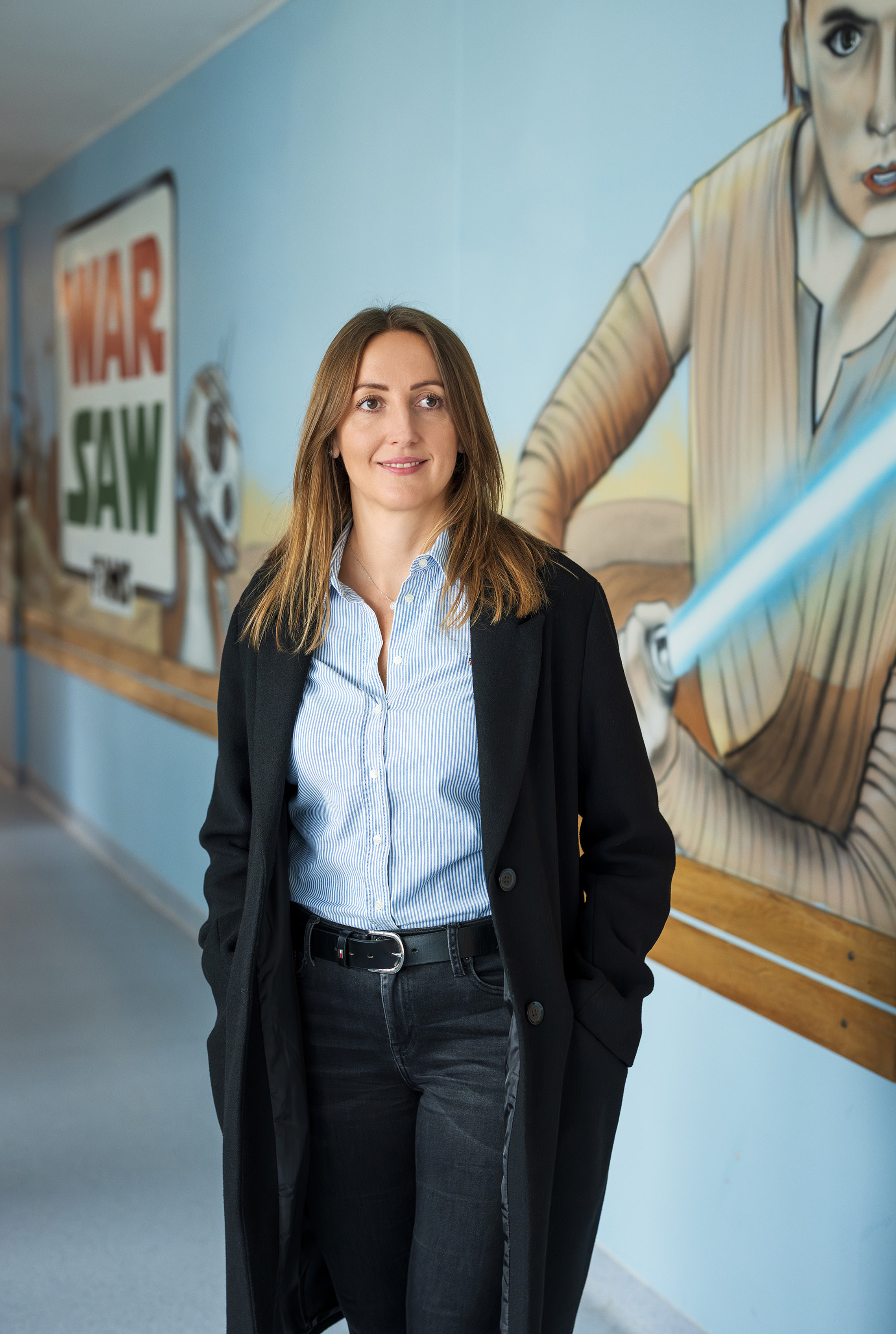
The walls of the Children’s Memorial Health Institute (CZD) in Warsaw burst with art and color. Monsters pull faces, superheroes show off their strength, and cartoon animals offer friendly smiles. In a place where children spend long days in treatment, the vibrant scenes occupying the walls of the never-ending corridors offer a welcome distraction and comfort.
As Poland’s largest pediatric institution, the hospital operates around the clock. Families move between floors – from consultations to imaging to patient wards. Medical staff shuttle equipment and supplies across multiple interconnected buildings. Specialists treat patient after patient. In operating rooms, surgeons perform procedures.
And through it all, elevators keep moving, carrying patients, parents, doctors, beds, wheelchairs, and medical equipment up and down.
So, when the Children’s Memorial Health Institute set out to modernize its aging elevator system – a patchwork of equipment from different brands – the constraint was crystal clear: the building couldn’t pause, not even for an hour, and patient care could in no way be compromised.
This wasn’t lost on Marcin Markowski, who oversaw the modernization of 17 elevators across the hospital grounds and the installation of five new ones in the hospital’s newly constructed psychiatry and oncology wing. “We had to ensure the highest level of employee and patient safety while minimizing disruption to departments and maintaining elevator access for patients and emergency services,” Marcin explains.
The solution required surgical precision in planning. After careful analysis of the hospital’s requirements, Marcin and his colleagues spent weeks mapping out every potential constraint the project could present. Among other things, they inventoried shafts and machine rooms, measured structural capacity, and analyzed potential conflicts between elevator cabling and electrical systems and ventilation. They created detailed schedules for each of the 22 elevators.
The operating principle was simple: only one elevator could be shut down at a time in each zone, ensuring that at least one working unit remained operational at all times.
Avoiding disruption became the team’s mantra. Their work was scheduled around the hospital’s surgical calendar. Teams worked at nights and weekends when the hospital was less busy. And they built temporary enclosures around shaft doors, thereby ensuring safety, controlling dust, and maintaining the hospital’s sterility standards while work progressed.
For all the team’s preparedness, the project presented its fair share of curveballs. For one, the hospital’s sprawling structure took some getting used to. “Initially, I found it challenging to navigate buildings connected by hundreds of corridors – the main technical corridor in the hospital is 320 meters long,” explains Marcin, who has been with Schindler for 17 years now.
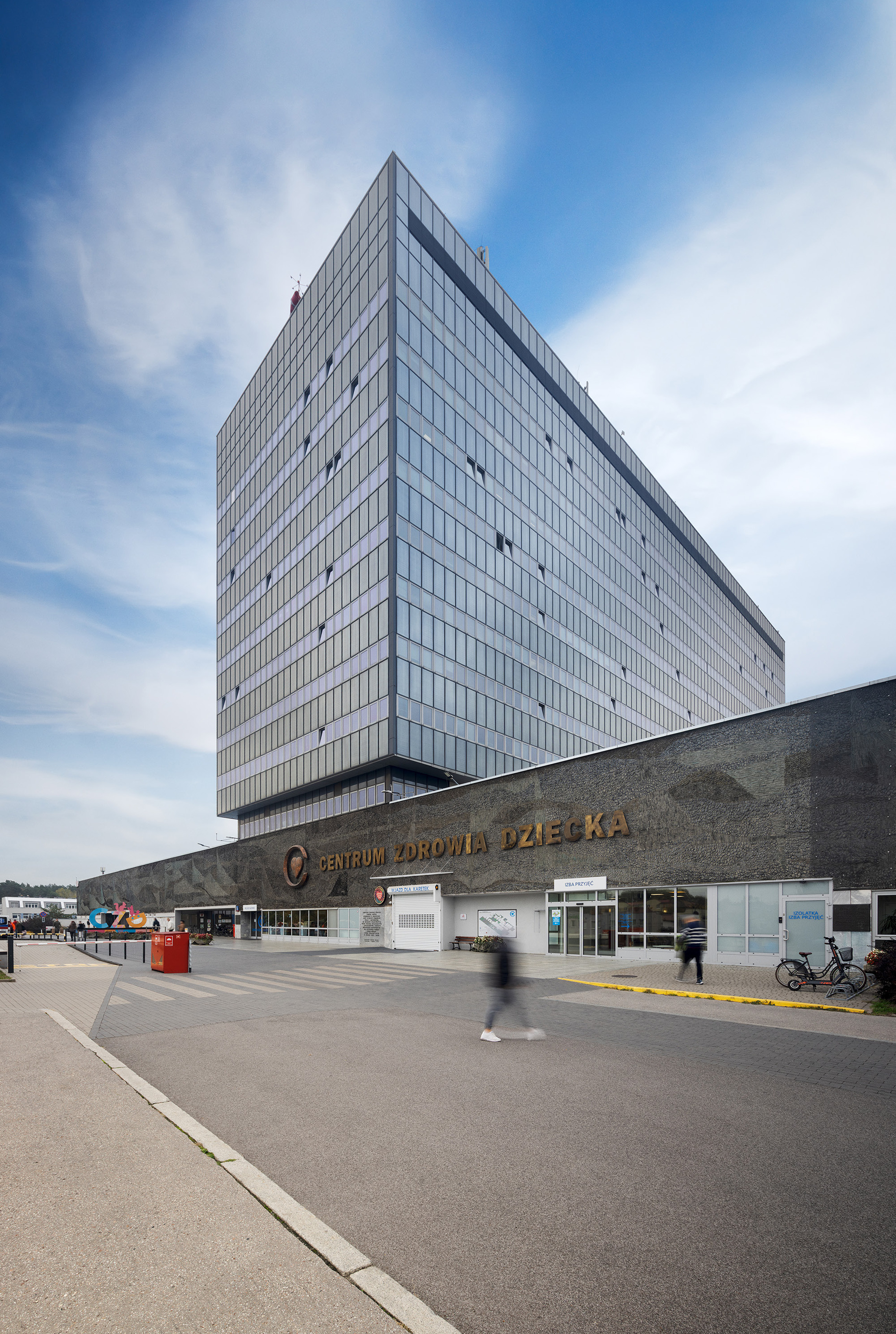
Elevator shafts showed curvature issues from decades of use. One elevator required reconstruction to add an extra stop at the machine room level. Midway through the project, the hospital identified an opportunity to convert two elevators to meet fire service standards – an upgrade that required redesigning systems and adjusting schedules on the fly. “Constant adaptation was needed,” recalls Marcin.
Looking back on this project, Marcin reflects on its unique challenges. “Working in an operational hospital is more demanding than other modernization projects,” he says. “The coordination requirements are more complex, the operational constraints more rigid. Accessibility and safety standards are higher. The schedule is tighter, and the time windows shorter. You’re working in an environment where people’s lives depend on keeping everything running.”
For Marlena Kiliszek, key account manager Modernization at Schindler, the project represents something else too – the opportunity to showcase Schindler’s ability to handle complex, high-stakes environments. “You need to have a thorough understanding of the hospital environment and requirements. You visit, you talk to doctors, administrators, a lot of people. In the end, however, it is important to understand what is really needed.”
The Children’s Memorial Health Institute is now equipped with elevators fit for a leading medical institution: maximum cabin width for beds and equipment, sliding doors with full-height curtains, durable steel sills. For accessibility, each elevator includes induction loops for the hearing impaired, voice signaling inside the cabins, and Braille markings.
In the background, energy-saving regenerative drives reduce environmental impact. All units, now integrated with the hospital’s building management system, come equipped with cloud connectivity, enabling remote diagnostics and proactive maintenance through our Technical Operations Center.
The project is proof that large-scale hospital modernization can be achieved without disrupting care – and without adding stress to an already stressful environment. With its elevators now modernized, the hospital can focus on what it does best – helping children heal, while the superheroes and cartoons keep watch.